Why Production Takes So Long
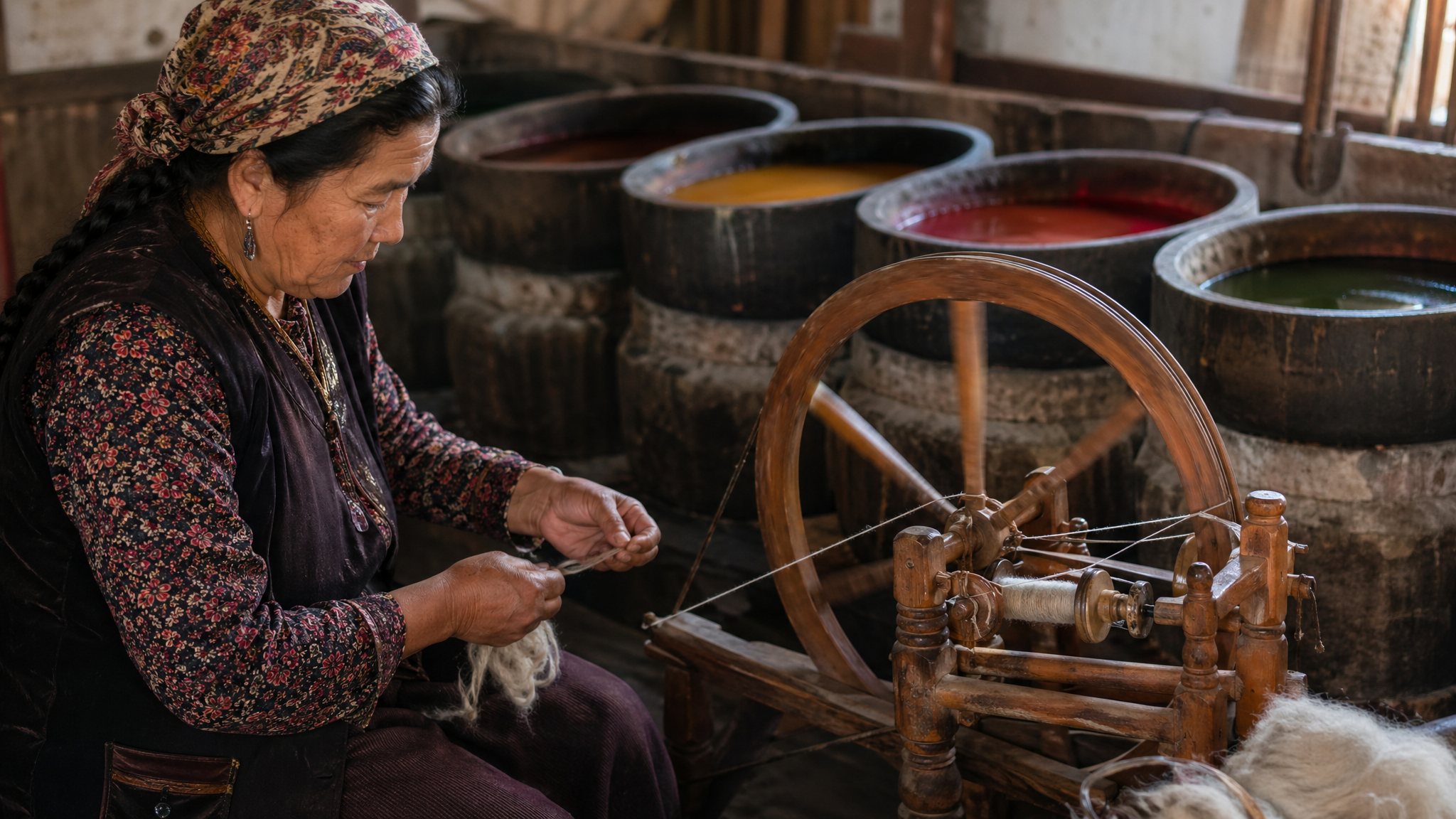
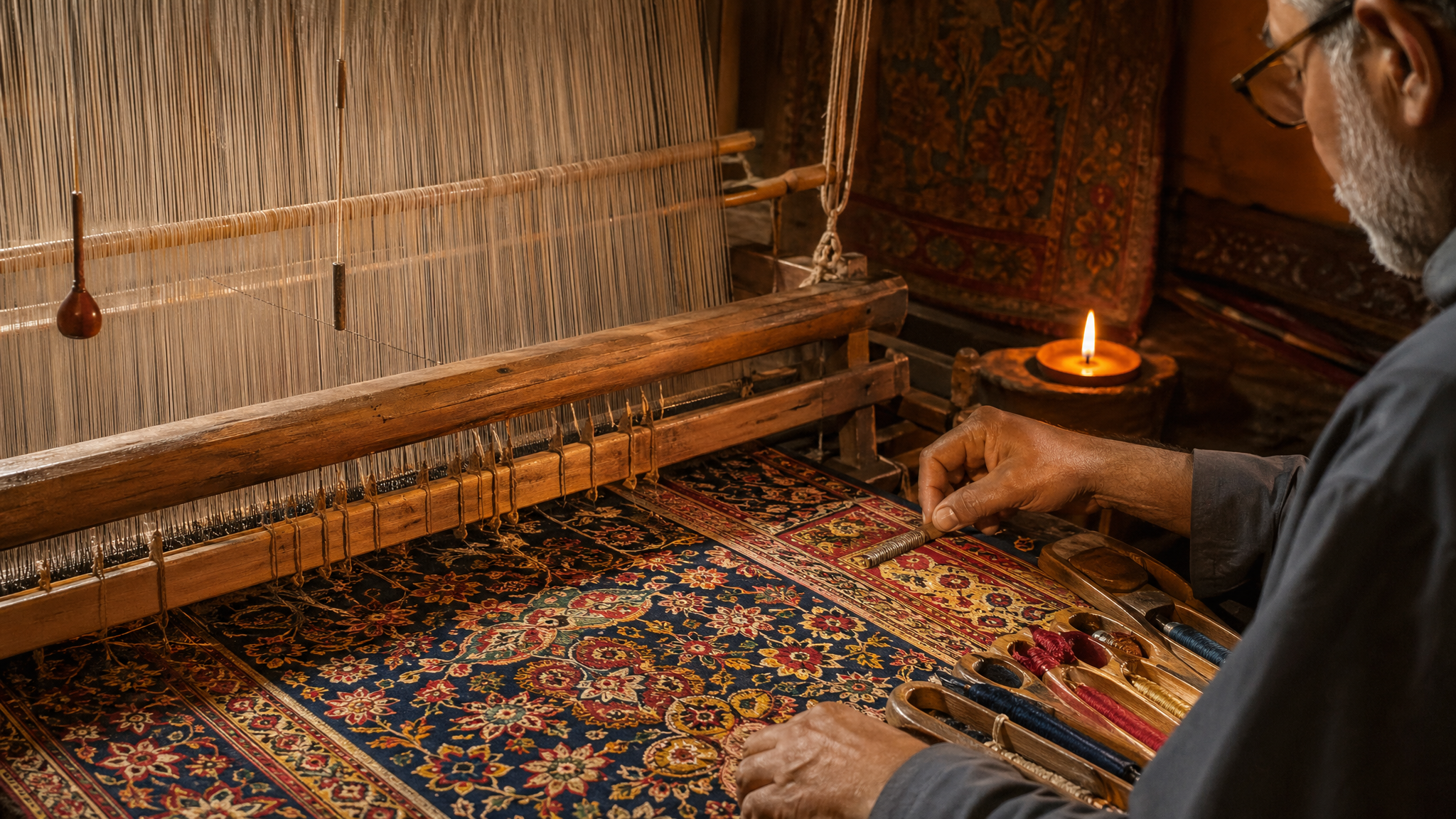
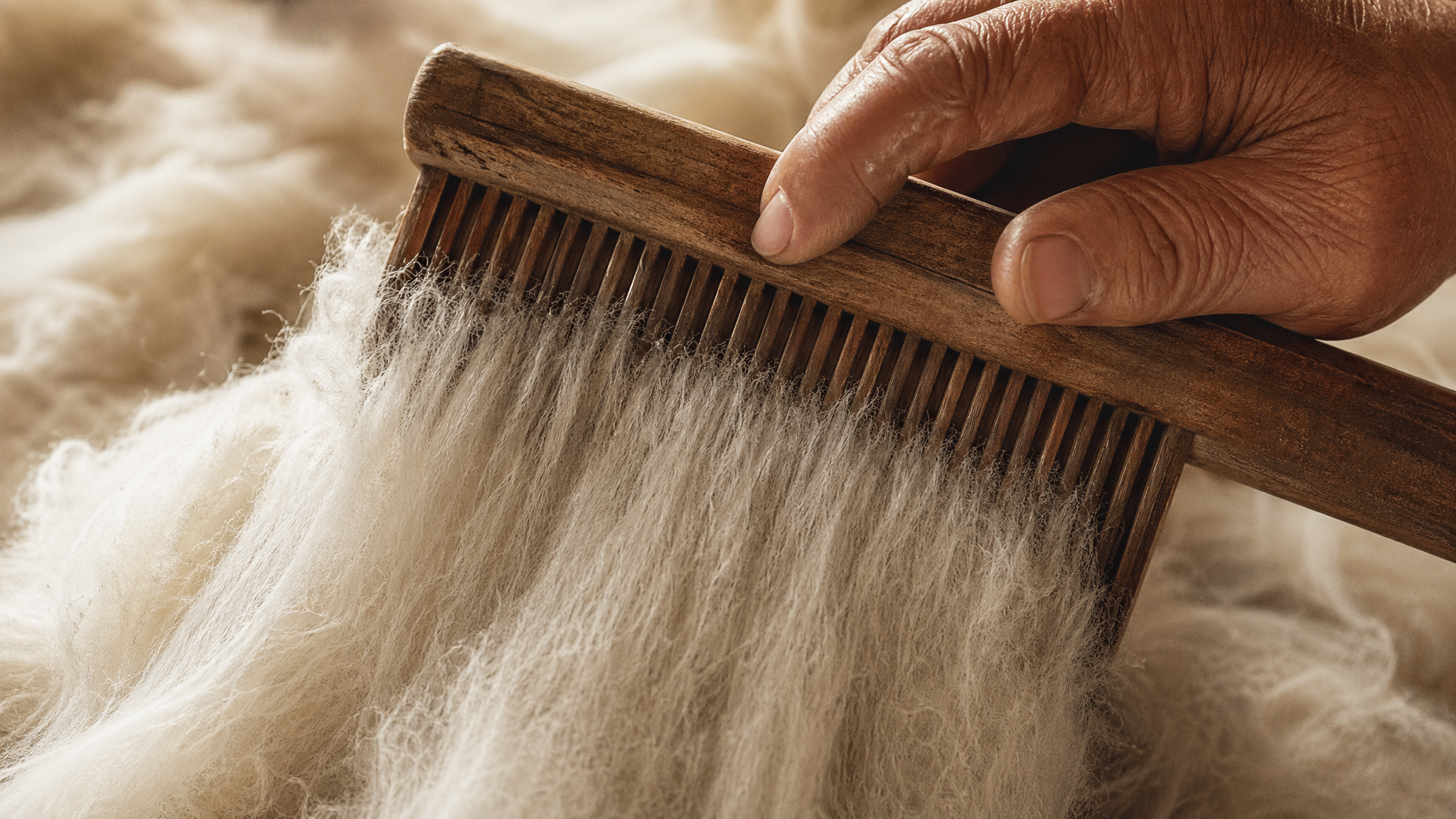
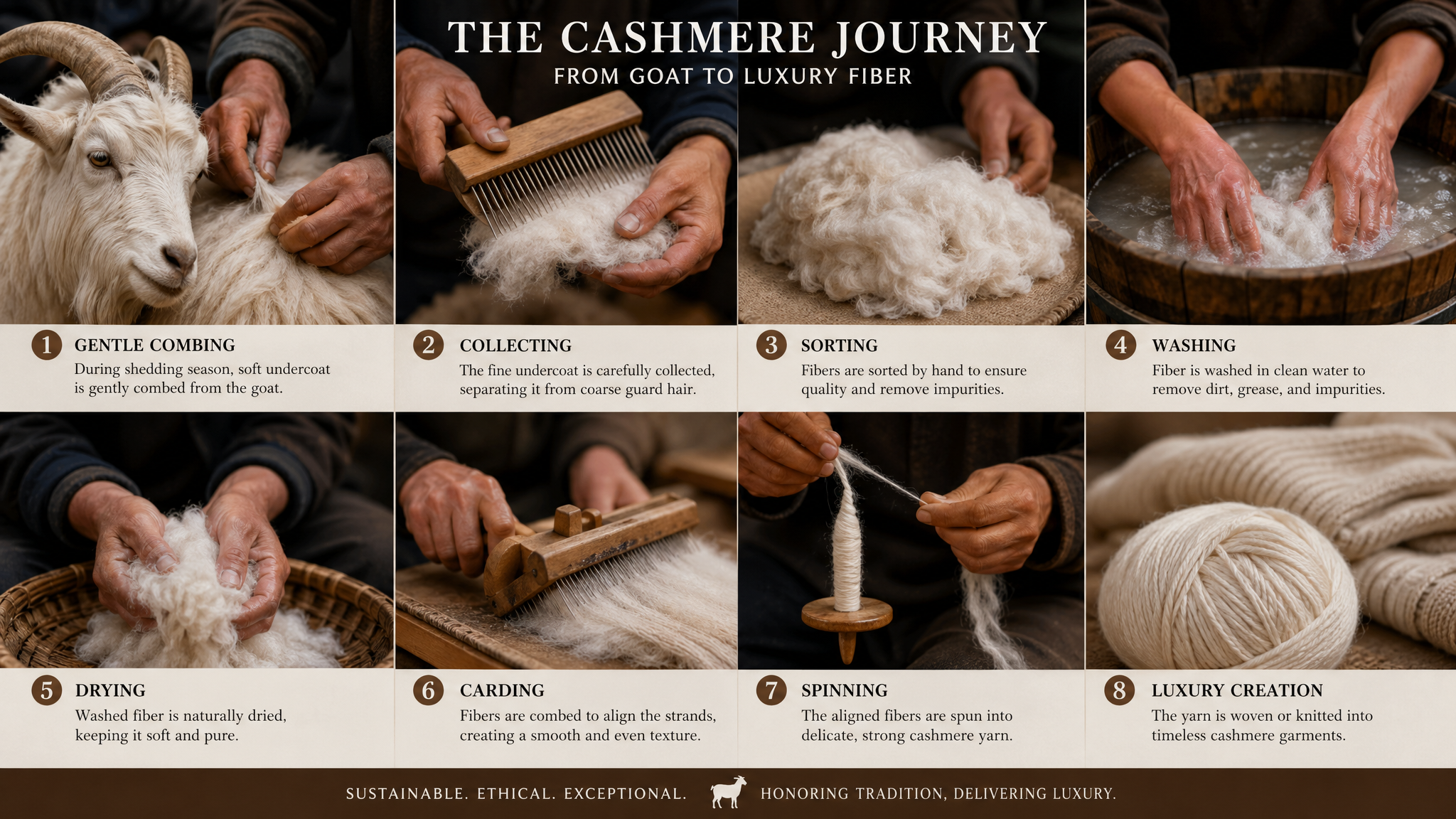
The extreme rarity and delicacy of cashmere fibre means that almost every stage of its production must be handled with exceptional care — and largely by hand. There are no shortcuts that don't compromise quality.
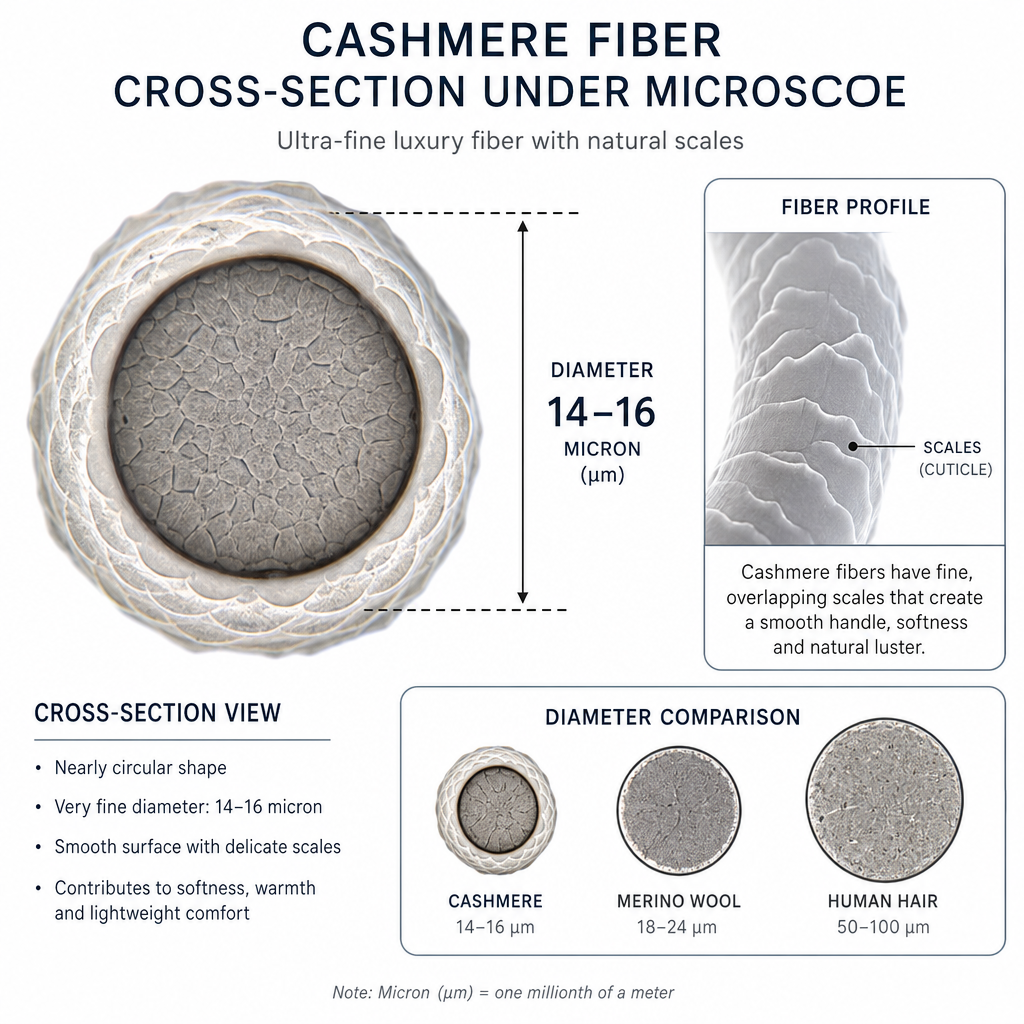
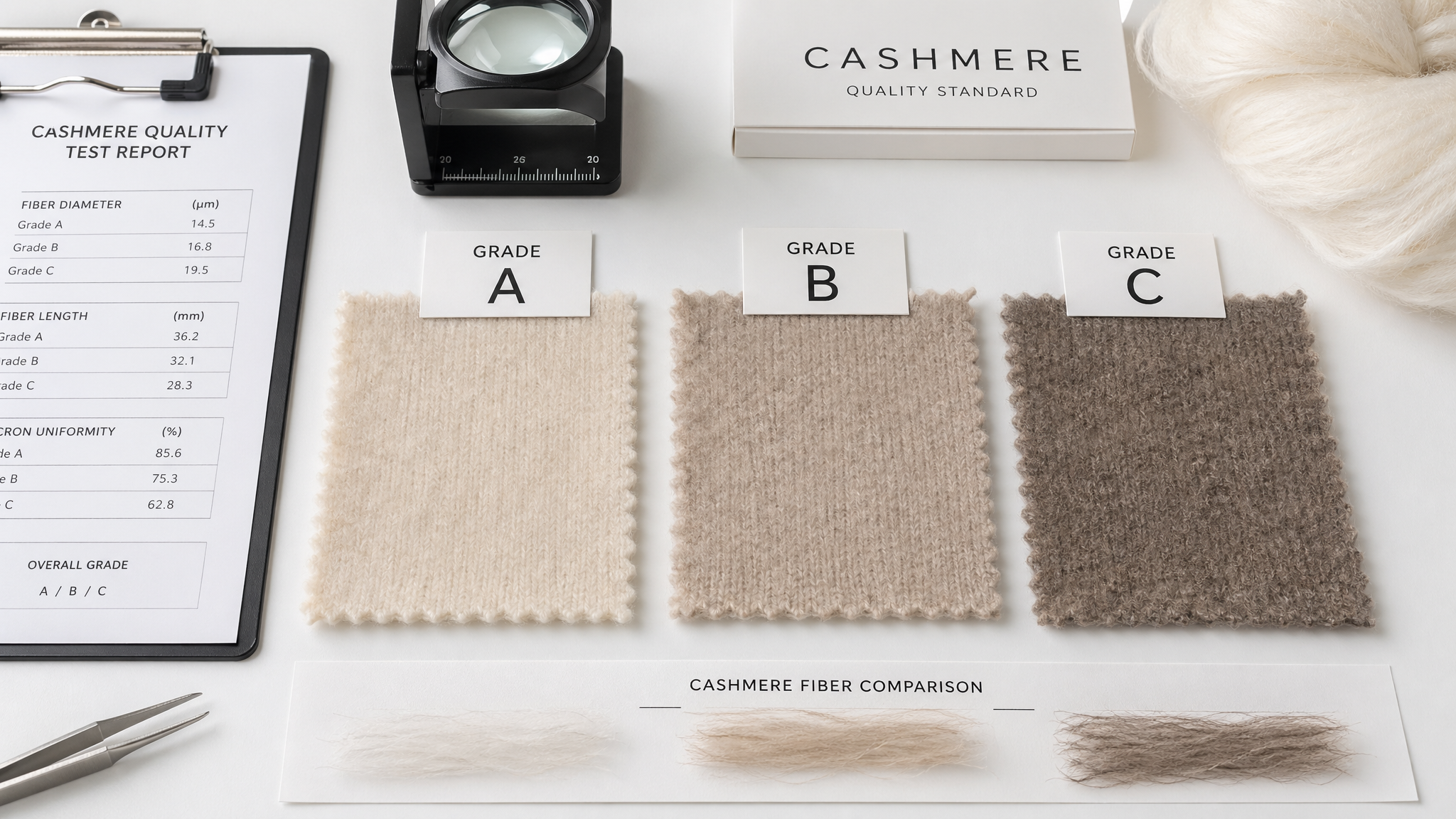
Industrial processes can replicate the end product visually, but the handle — the tactile quality that distinguishes real cashmere — depends on maintaining fibre integrity throughout each stage. A single broken fibre creates a weak point that causes pilling. Excessive heat during dyeing stiffens the natural crimp. Improper dehairing introduces coarse guard-hairs that cause itchiness.
Understanding the production process is not just fascinating — it also helps explain why genuine cashmere costs what it costs, and why a $29 "cashmere" sweater from a fast-fashion retailer is almost certainly not what it claims to be.